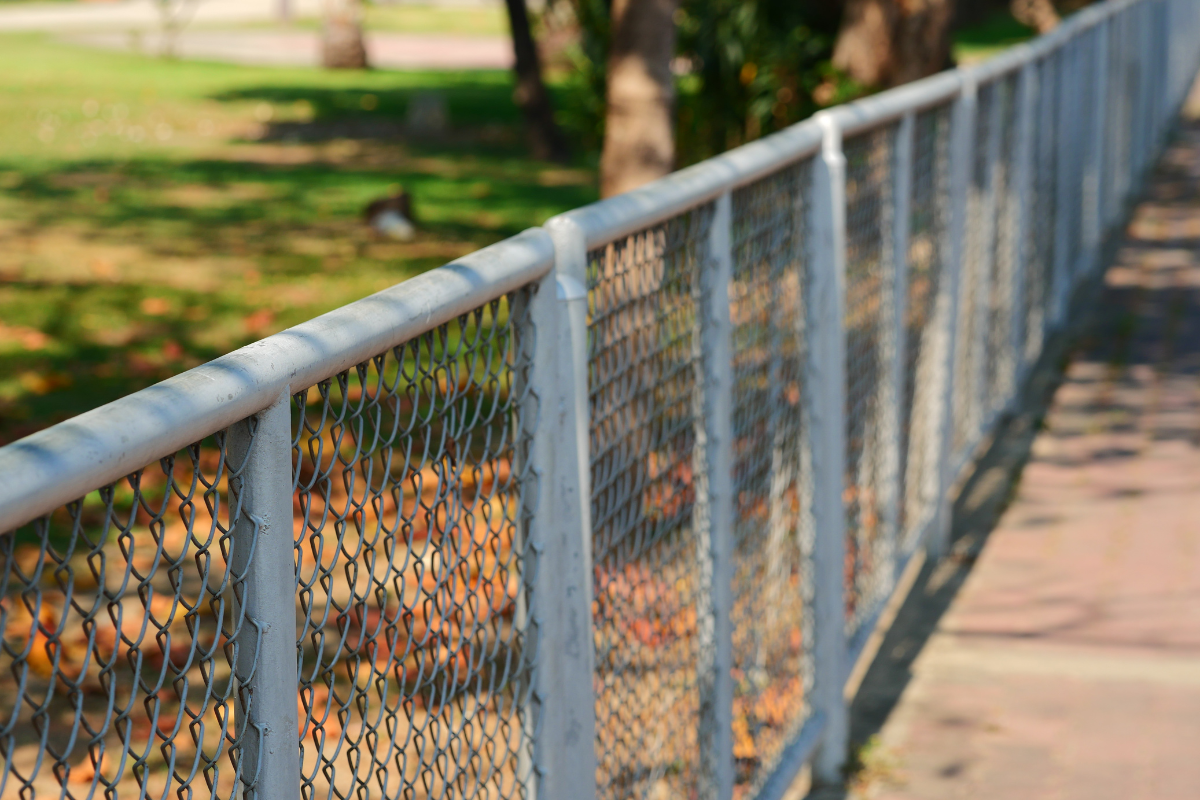
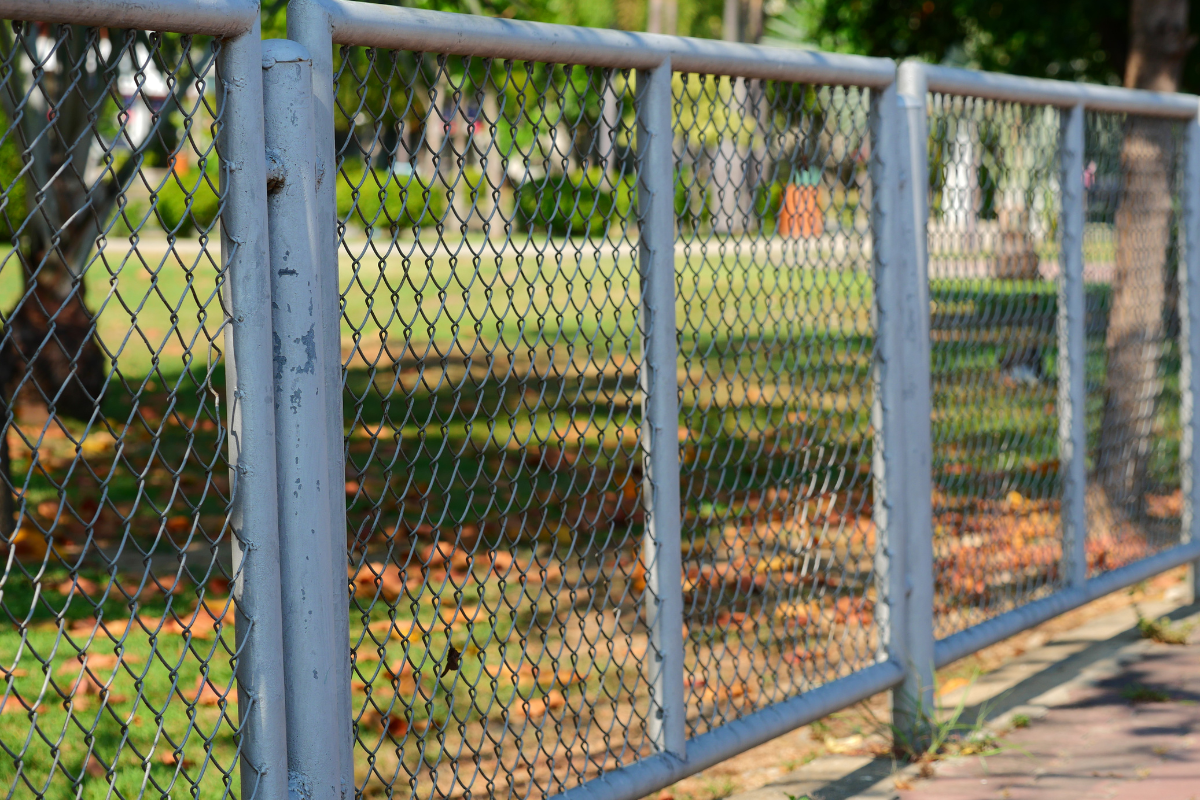
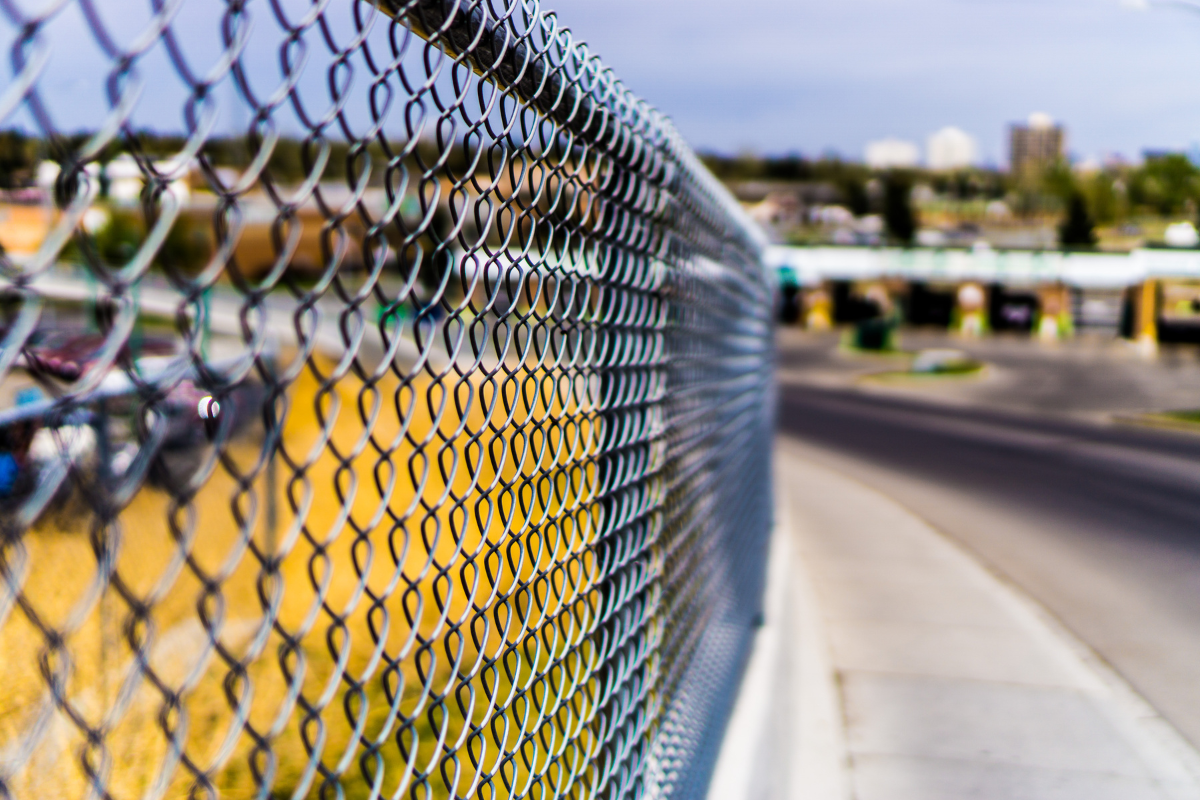
A chain link fence doesn’t ask for much. It sits through seasons, keeps kids and pets on the right side of the yard, and discourages the wrong sort of foot traffic. When it fails, it’s rarely dramatic. More often it’s a sagging top rail after a limb came down, a run of bent mesh where a delivery truck got too cozy, or rust creeping through the bottom course where leaves hold moisture. Fast, professional repair keeps small problems from spreading and preserves the clean, practical look that makes chain link fencing such a workhorse around homes, schools, and commercial sites.
I’ve spent enough mornings with a fence stretcher and a coffee thermos to know which problems need urgent attention and which can wait for a dry day. This guide distills that experience, from triage to finish work, and helps you decide when to call a chain link fence contractor and when a capable owner can tackle the fix with a trip to the hardware store.
What fails, and why it matters
Chain link fencing is a system. Posts carry the load into the ground. Rails and tension wire hold the mesh square and snug. Fabric spans the distance. Fasteners and fittings tie the whole thing together. A hit to any one of those parts puts stress on the others. A bent line post can slacken the mesh for twenty feet. A broken top rail invites sag that makes climbing easier and snow loading more punishing. Missing tie wires look minor, but once wind can billow a panel, the weave distorts and work multiplies.
Speed matters for two reasons. First, security. A six-inch gap at the bottom turns into a full pet escape route after a night of raccoons testing it. Second, cost. A stretched-out panel that sits loose for months loses its shape, and you end up replacing fabric rather than re-tensioning what you already own.
Quick assessment on site
When I step onto a repair job, I walk the entire line before touching a tool. I’m looking for patterns more than single breaks: a run of light rust means galvanization is failing in a zone that holds https://jaidenpbsu439.huicopper.com/industrial-chain-link-fencing-services-and-solutions moisture; a set of posts leaning the same way suggests soil movement or a loader bumping the fence during snow season. I mark four things with survey paint or tape: post issues, rail damage, fabric deformities, and hardware losses. That map tells me whether this is a localized repair or the front edge of a larger rehabilitation.
A quick tip for homeowners: if wind, a fallen branch, or a vehicle caused the damage, snap photos and note approximate time and weather. Insurance adjusters sometimes cover fence repair, and a chain link fence company can write a straightforward quote when you can point to a clear cause and defined section.
Tools and materials that pay for themselves
There’s a big difference between improvising with pliers and doing proper chain link fence repair. The right tools prevent collateral damage and speed everything up. On my truck you’ll always find a come‑along or chain link fence stretcher, bolt cutters sized for 3/8 inch, a hacksaw or tubing cutter for rails, an impact driver with a nut setter for bands, fencing pliers, a post level, and a digging bar. Consumables include galvanized tie wire, tension bars, tension bands with galvanized carriage bolts, rail sleeves, and self‑tapping screws for braces. For privacy slats, I carry spare clips since they go brittle after a few seasons.
For materials, match the fence you have. Most residential chain link fabric is 11 or 11.5 gauge, 2 inch diamond, on 1‑3/8 inch top rail with 1‑5/8 inch terminal posts. Commercial jobs often bump to 9 gauge fabric and 2 inch or 2‑1/2 inch rails. Color coating matters too. Black and green vinyl‑coated chain link fencing needs coated fittings, or the repair looks like a patchwork quilt.
Common repairs and the right approach
Bent or broken top rail
A storm or ladder mishap often kinks a span of top rail. If the rail is creased, replace that section rather than trying to bend it back. Rails come in 10 or 21 foot lengths, swedged on one end to slide into the next. For a localized fix, cut out the damaged piece and join the remaining ends with a galvanized rail sleeve. Feed the mesh back under the new rail and re‑tie with 9 gauge galvanized ties every 12 to 18 inches along the run.
When the rail bends over a gate opening, check the brace and truss rod too. Gates put strain on the adjacent terminal posts and bracing takes the brunt. A fresh rail on a weak brace simply kicks the problem down the line.
Slack or distorted fabric
Slack fabric often traces back to a missing tie at the top rail or a loose bottom tension wire. Before you reach for the stretcher, fix the root cause. Re‑tie the top every 12 to 18 inches, then inspect the bottom wire. If it broke, pull a new tension wire and tie it every 2 feet. Only then set your fence stretcher on the terminal post and a tension bar slid through the diamonds at the panel’s end. Draw tension until the fabric stands flat with even diamonds, not elongated parallelograms. Tie off with fresh ties, then take a step back and sight the panel on a shallow angle to check for twist.
When fabric is stretched so far out that diamonds are crooked or links kinked, saving it becomes false economy. New fabric weaves true and holds tension with less fuss. For a 50 foot run, the time savings alone can justify replacement.
Torn or missing chain link
Cuts happen, especially near parking areas. If you’re lucky and the tear is narrow and clean, you can remove one strand of wire and re‑lace the seam. Start at the top, untwist a single wire strand, then snake a new strand down through the diamonds, alternating sides. Finish by twisting the end around the selvage wire with fencing pliers. A proper reweave is nearly invisible.
For larger holes, cut back to square edges that align with full diamonds, then drop in a patch panel using tension bars on both sides to keep the patch tight. I prefer to integrate the patch with two vertical tension bars and a few short tie wires at the top and bottom rather than lacing one long loose strand, which tends to snag over time.
Leaning posts
A post that leans a few degrees can be persuaded upright with a come‑along and a temporary brace. Anything more, and you’re resetting. Before you dig, look for cause: shallow footing, rot in a cut post, or poor drainage undermining the concrete. Standard practice for chain link fence installation sets line posts 24 to 30 inches deep with a bell of concrete. Terminal and gate posts go deeper and wider. To reset, loosen ties and rails for a bay on both sides, excavate around the footing, plumb the post with a level, and backfill with a concrete mix that’s designed for wet‑set. I avoid dry‑pour bag mixes for repairs in active soil. Vibrate the footing with the digging bar to settle air pockets. While the concrete cures, brace the post so wind or curious kids don’t knock it out of plumb. Reassemble the rails and fabric after initial set, usually the next day in warm weather.
Gate problems
Gate sag crowds latches and drags on the ground. If the frame is square but the post has shifted, fix the post. If the frame is out of square, adjust the truss rod or add one. A diagonal truss that runs from the lower hinge corner to the upper latch corner handles the load correctly. For wider gates, a center wheel is a crutch that often creates ruts. Better to stiffen the frame and confirm the hinges can carry the weight. On double drive gates, align the drop rods into proper receivers set in concrete, not just holes in soil, or you’ll fight misalignment after every freeze‑thaw.
Rust and coating failure
Galvanized chain link ages well, but salty air and leaf piles accelerate decay. Surface rust on rails and fittings can be brushed, primed with a zinc‑rich primer, and top‑coated. Once you see red at wire intersections inside the fabric, replacement is on the horizon. For vinyl‑coated chain link, nicks and scratches expose the steel beneath. Touch‑up paint rated for PVC‑coated fencing slows the spread, but don’t expect miracles on older, sun‑baked sections. When pricing repairs, weigh the labor to nurse failing fabric against fresh rolls with a clean factory coating. On commercial perimeters, a phased replacement plan often beats piecemeal repairs that never catch up.
Speed without sloppiness
Fast doesn’t mean rough. The time savings come from sequence and preparation, not shortcuts. Set your staging area out of the pedestrian flow. Preassemble fittings on the ground by section. Cut replacement rails and slide on eye tops before you climb a ladder. On live sites, post a small sign at gates stating that the fence is under repair and keep gates latched whenever you step away. The speed you gain by avoiding interruptions and backtracking often cuts a repair window in half.
On small residential jobs, I can often bring a fence back to full function in a single visit. Commercial facilities with long runs and heavier gauge steel take longer, but the same principles apply: diagnose broadly, fix the root causes, and only then tighten everything to spec.
When to call a pro
Plenty of homeowners can handle a few missing ties, a short panel swap, or a simple rail replacement. A professional chain link fence contractor earns their keep when the repair touches structural elements, spans long distances, or must match security requirements. If the fence borders a pool, a schoolyard, or a facility with access control, the stakes and codes are higher. A licensed chain link fence company carries the fittings and specialty tools to work efficiently and to code. They also know local ordinances, which matter for height, setbacks, and pool gate hardware. On commercial sites with barbed wire or privacy slats that obscure lines, the logistics alone favor a trained crew.
Another case for a pro is matching old, out‑of‑production components. Fence built twenty or thirty years back can have odd post spacings and proprietary fittings. An experienced contractor has sources for adapters or can fabricate sleeves and brackets that keep a repair clean rather than cobbled.
Costs: realistic ranges and what drives them
Chain link fence repair costs track three variables: materials, labor time, and access. Material cost is usually the smallest slice except in large fabric replacements. A 10 foot rail, sleeve, and tie wires may run a modest sum, while heavy gauge, vinyl‑coated fabric raises the price per foot. Labor climbs with complexity. Pulling and re‑tensioning a 30 foot panel, resetting one post, and rehanging a gate might take half a day for a two‑person crew. Add travel and site coordination, and you have the typical service call.
Access can double or halve time. A clear fence line with room to stage fabric and rails makes work swift. Landscaping tight against the fence, a shed pinned to the mesh, or a neighbor’s vines woven through add hours. On commercial sites, required escorts, badging, or off‑hours work for security can extend the schedule and cost. Good contractors explain these factors up front, which helps everyone avoid surprises.
Matching the fix to the fence’s role
A backyard pet enclosure wants tight fabric at the bottom and a bottom tension wire that sits just above grade to discourage digging. In snowy areas, I prefer lifting the bottom wire an inch or two so it doesn’t live in wet leaves all winter. A ballfield backstop asks for taut fabric and robust top bracing to absorb impacts, with fence ties closer together than residential spacing. A warehouse perimeter with barbed wire outriggers requires sturdy terminal posts and solid bracing, and any repair that touches those areas needs both proper replacement fittings and safe work practices.
Privacy slats change the equation too. They add wind load. On fences with full slatting, bump up the number of rail ties and ensure posts are plumb and well set, or windstorms will find the weak spots. If you’re adding slats to an older fence, consider a preemptive stiffening pass: fresh ties, snug tension wire, and check the rails.
Safety and respect for the site
Safety isn’t theoretical when you’re dealing with sharp wire ends and tensioned fabric. Gloves that trade dexterity for puncture resistance are worth it. I still keep a small file on my belt to knock burrs off fresh cuts, and I cap any exposed wire ends with tie‑end protectors on school and playground sites. On live properties, I lay out tarps for debris and carry a magnet sweep for dropped screws and cuttings. Clean work makes for happy clients and fewer surprises for mowing crews later.
Electrical hazards deserve attention. If you see low‑voltage lighting wire or irrigation lines zip‑tied to the fence, stop and trace them before cutting. Keep grinders away from vinyl‑coated fabric unless you mask aggressively; a shower of sparks melts specks into the coating and leaves permanent freckles.
Weather, timing, and working with seasons
Repairs in freezing weather pose two challenges: concrete and metal brittleness. Wet‑setting posts in subfreezing temperatures calls for cold‑weather additives and protection, or, better yet, scheduling resets when the forecast gives you a window. Light repairs like re‑ties and rail swaps are fine in the cold, but take extra care with vinyl coatings that crack more easily. Spring is the busiest season for chain link fencing services, and lead times lengthen. If a minor winter problem can wait safely, plan ahead and book early. For storm damage, urgency spikes, and contractors triage calls. Clear photos and a concise description help you jump the line because the crew can stage the right materials on the first visit.
Small fixes homeowners can handle
A few repairs genuinely suit a Saturday project, assuming you have pliers, a socket set, and a steady approach.
- Re‑tying loose fabric to the top rail: buy a handful of 9 gauge galvanized ties. Hook, wrap, and twist, spacing a foot or so apart, keeping the wire tails pointed away from traffic. Replacing a single bent rail section: measure twice, cut once. Use a rail sleeve to couple the new piece, then re‑tie the fabric.
Stop short of attempting to reset posts without proper bracing and concrete, or re‑tensioning long runs without a stretcher. Those jobs slip from DIY to frustrating quickly, and a chain link fence contractor will be faster and cleaner.
Choosing the right partner for bigger jobs
Not all contractors approach repairs the same way. Some focus on new chain link fence installation and fit repairs between larger projects. Others keep a dedicated service crew geared for quick response. When you interview companies, ask three things. First, what’s their typical turnaround for a service call? Second, do they stock common fittings and fabric gauges, including color‑coated options? Third, can they match your fence’s exact spec if partial replacement is needed? The answers will reveal whether you’re calling a builder who sometimes repairs, or a chain link fence company that treats repair as a core service.
References help. A short list of recent repair clients, ideally with photos, tells you how they handle real‑world messes. For sites with security needs, confirm insurance limits and ask about background checks for techs. For HOAs and schools, ask if the crew has experience working around tight schedules and restricted access.
Extending the life of your fence after repair
Once the fence is back in shape, a small amount of care pays dividends. Keep vegetation trimmed six inches off the mesh. Vines trap moisture and eventually pry ties loose. Leave a gap under the bottom wire when you mulch or lay stone, so water can drain. After heavy wind or a snow event, take two minutes to walk the line. You’ll spot a new lean or a broken tie early, when a quick fix is cheap.
Where sprinklers throw hard water at the fence daily, expect mineral build‑up and streaking. Adjust heads or shield the spray. On coastal properties, an annual rinse helps, and a touch of zinc‑rich primer on any scratches you see in spring slows rust’s march. If you’re planning an upgrade, like swapping to privacy slats or adding a dog‑run gate, loop in a pro. They’ll tell you if the existing posts and rails can handle the added load or if modest upgrades now prevent a mid‑season failure.
The case for professional repair as an investment
A good repair blends in. The fabric holds true diamonds, the rails sit level, and the gates swing cleanly without grinding. More importantly, the fence returns to performing the quiet job you installed it to do. Whether you run a warehouse lot or a backyard where your dog patrols like a sentry, downtime and uncertainty cost more than the repair itself.
Chain link fencing remains popular because it balances price, durability, and function. Fast, professional chain link fence repair protects that balance. It keeps small problems from compounding, preserves the look and integrity of the line, and saves you from the revolving door of temporary fixes. And when repair no longer makes sense, the contractor who has walked the fence with you is perfectly positioned to guide a smart, efficient replacement, tuned to how you actually use the space.
A few real‑world examples that shape judgment
On a school perimeter we serviced last fall, a single delivery truck folded a 20 foot section inward. The district wanted it secure before dismissal three hours later. We cut out the kinked rails, slid in sleeves and new rails, re‑tensioned the fabric with two fresh tension bars, and tied off a temporary brace on a slightly suspect terminal post. The next morning, with classes in session, we reset that post properly. Speed first, then depth, in a sequence that kept kids safe and the schedule intact.
At a lakeside HOA, the bottom course along a stretch near the beach rusted out after years of wet leaves. We proposed two options: patch low runs now and revisit in a year, or replace 120 feet with vinyl‑coated fabric and raise the bottom a hair while adding a new tension wire. They chose replacement. Two seasons on, that line still looks new, and they’ve stopped paying for little patches that never caught up.
A warehouse property tried to solve gate sag with a caster wheel on a double drive gate. It carved trenches, made winter a mess, and never aligned right. We rebuilt the brace, upgraded the hinge hardware, reset one post that was shallow, and removed the wheel. The gate now closes with a finger push, and the trenches are gone. That repair cost more than a new wheel, but it solved the problem instead of treating the symptom.
Final thoughts for owners weighing their next step
If your fence is out of shape, act while the problem is still small. Walk the line, snap photos, and note measurements. If the fix is minor and within your comfort zone, gather the right fittings and take your time. If the repair touches structure, long runs, or security, call a chain link fence contractor who treats repair as a craft rather than an afterthought. Clear communication, matched materials, and disciplined tensioning make the difference between a fence that merely stands and one that quietly does its job for years.
Whether you need chain link fencing services for a quick tune‑up or a larger rehabilitation, the best work shares the same DNA: diagnose widely, fix the cause, tighten to spec, and leave the site cleaner than you found it. That’s how fast and professional repair earns its name.
Southern Prestige
Address: 120 Mardi Gras Rd, Carencro, LA 70520
Phone: (337) 322-4261
Website: https://www.southernprestigefence.com/